
-
 Let's be realisticAsk for the IMPOSSIBLE
 -
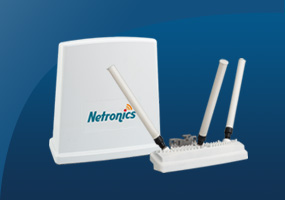
 Outdoor WiFi base stations (802.11n)High capacity, extended coverage
 -
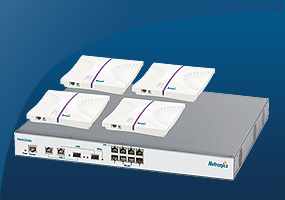
 Unified WiFi blanketfor indoor wireless coverage
 -
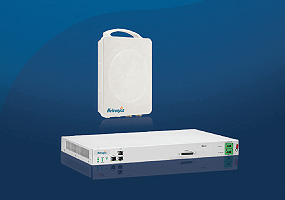
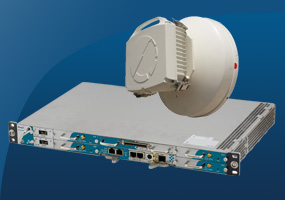
 Carrier class point to point wireless linksengineered for reliability
 -
 Industrial connectivityvoice, data and SCADA
 -
 Connectivityfor rural areas
 -
 High capacity P2MP solutionsVideo surveillance, corporate WLAN and ISPs
WELCOME TO
NETRONICS NETWORKS
Netronics Technologies ® is a leading supplier of wireless communications and networking equipment for IP and TDM traffic based on the latest radio technologies.
Netronics is a one stop shop for wireless communications equipment needed for today's bandwidth thirsty market. The wide range of applications include point to point links for corporate backbone, industrial networking, government and society connectivity solutions, rural area communications, wireless ISPs and many other application.
High quality, carrier class performance and industry leading reliability have been defining the policies in Netronics since the beginning and it will continue to be the main approach in our development for new products and services.
PARTNERS
As a solid part of its commercial philosophy, Netronics considers each clients as a department in its own corporation.
A robust partner network has been developed over the years consisting of companies with reputed, talented and professional staff who are sensitive about the quality of the services they offer.
Companies with the same philosophy are always welcome to join our team of the leading wireless networking resellers and system integrators.
Products

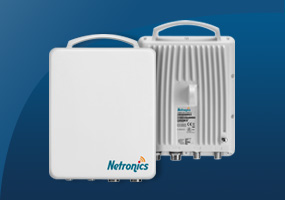

Hot-zone and Hot-spots
Application: Netronics NetPoint Pro n base stations enable carriers, internet service providers, governments and private networks to deploy outdoor Wi-Fi networks in metropolitan and rural areas. Read more

Public Safety
Application: As Public Safety issues grow increasingly more complex to address, the end goal still remains straightforward: to empower the community with reliable security services and enable the routine of daily life to proceed comfortably. Read more
Social Networks
Follow and join us on Social Networks to get updated of our latest activities


